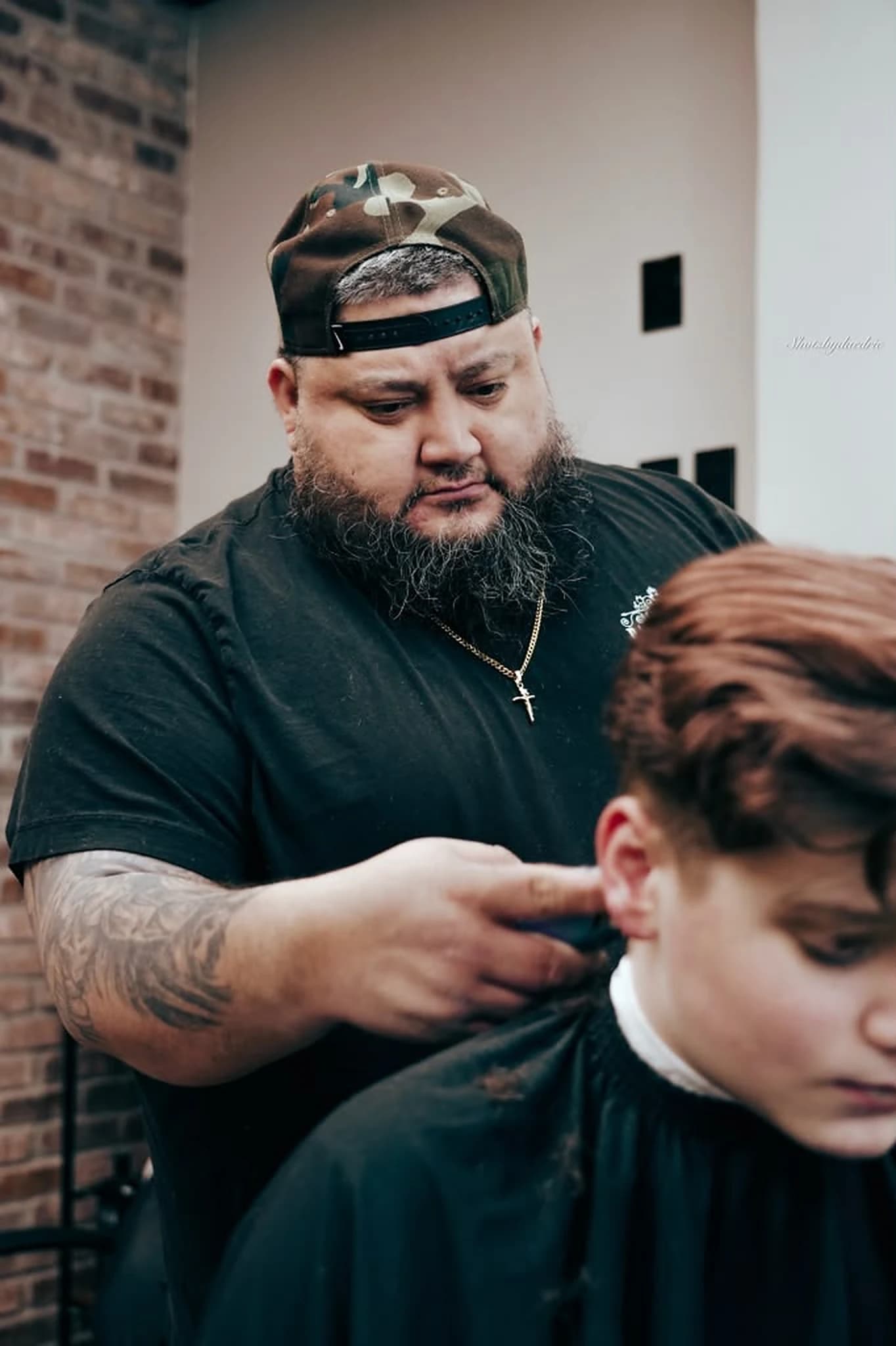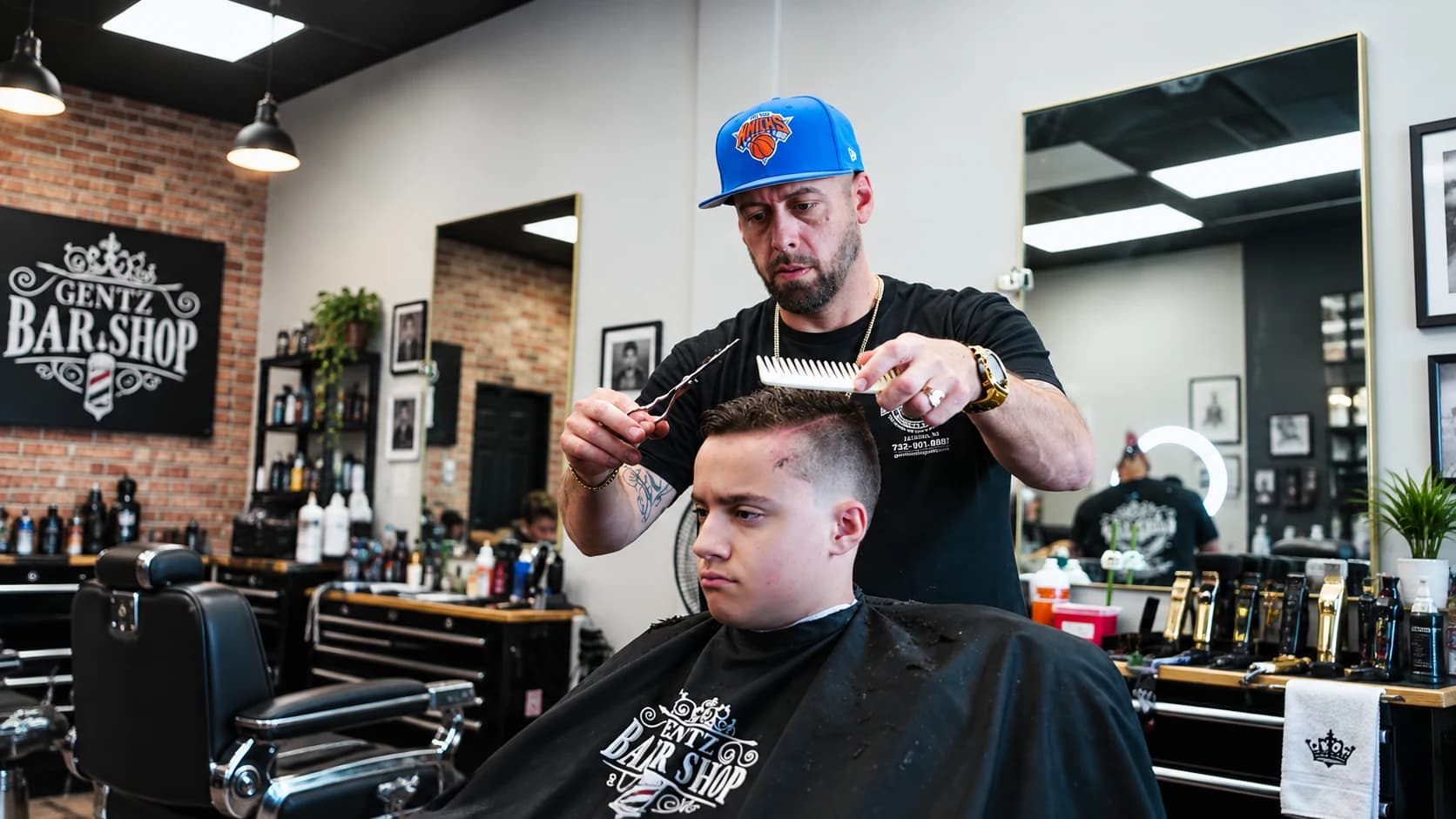
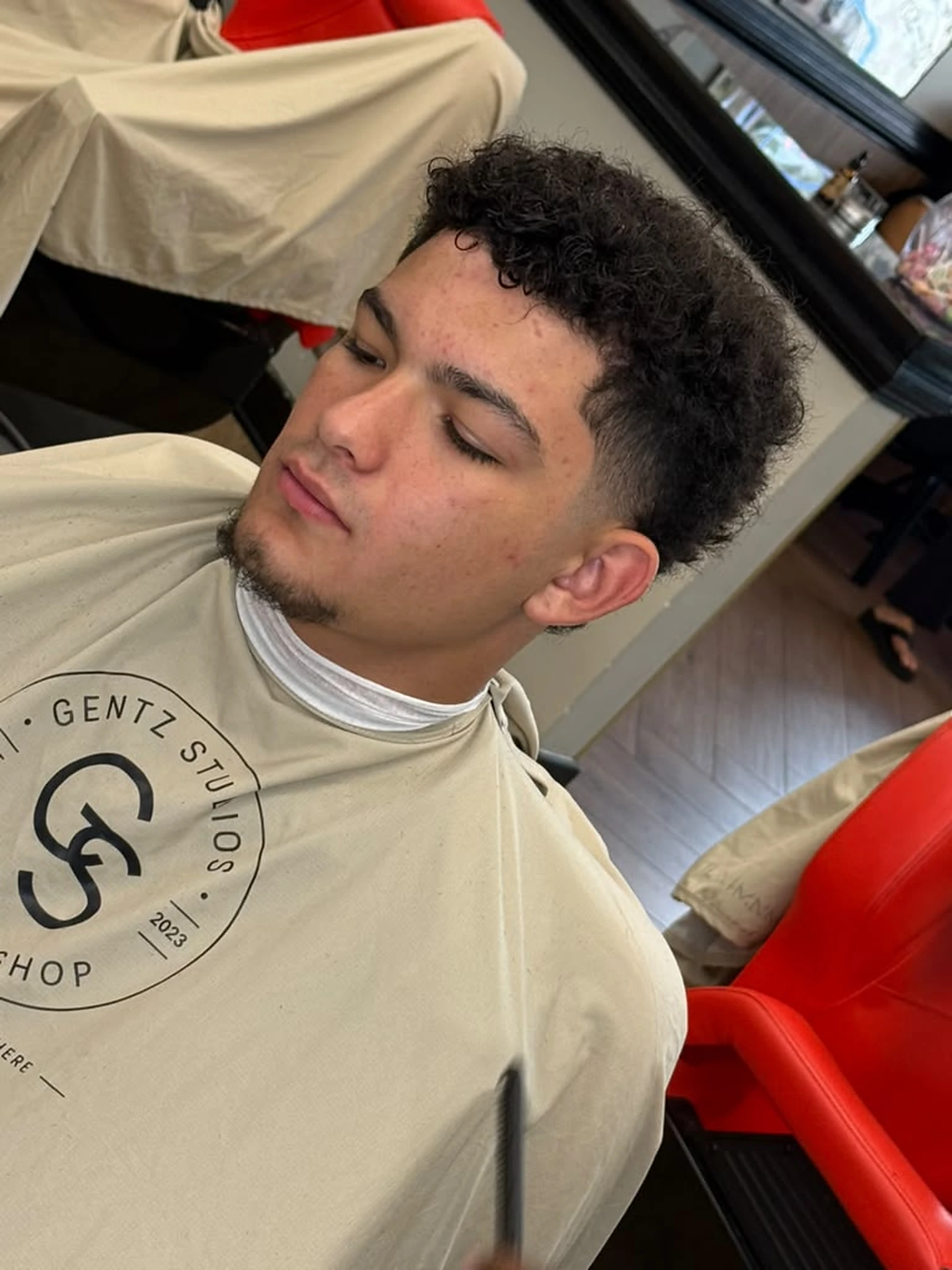
A strong haircut respects density, curl pattern, growth direction and daily styling habits.
Texture changes the plan
Straight, wavy, curly and coily hair can look completely different at the same measured length. A useful reference photo is a starting point, but the cut should be adjusted to the way your own hair bends, expands and settles.
Density controls the silhouette
Fine hair and dense hair need different weight distribution. Removing too much can make some areas look thin, while leaving too much can create bulk that is difficult to style. The barber shapes the cut so the outline stays balanced from several angles.
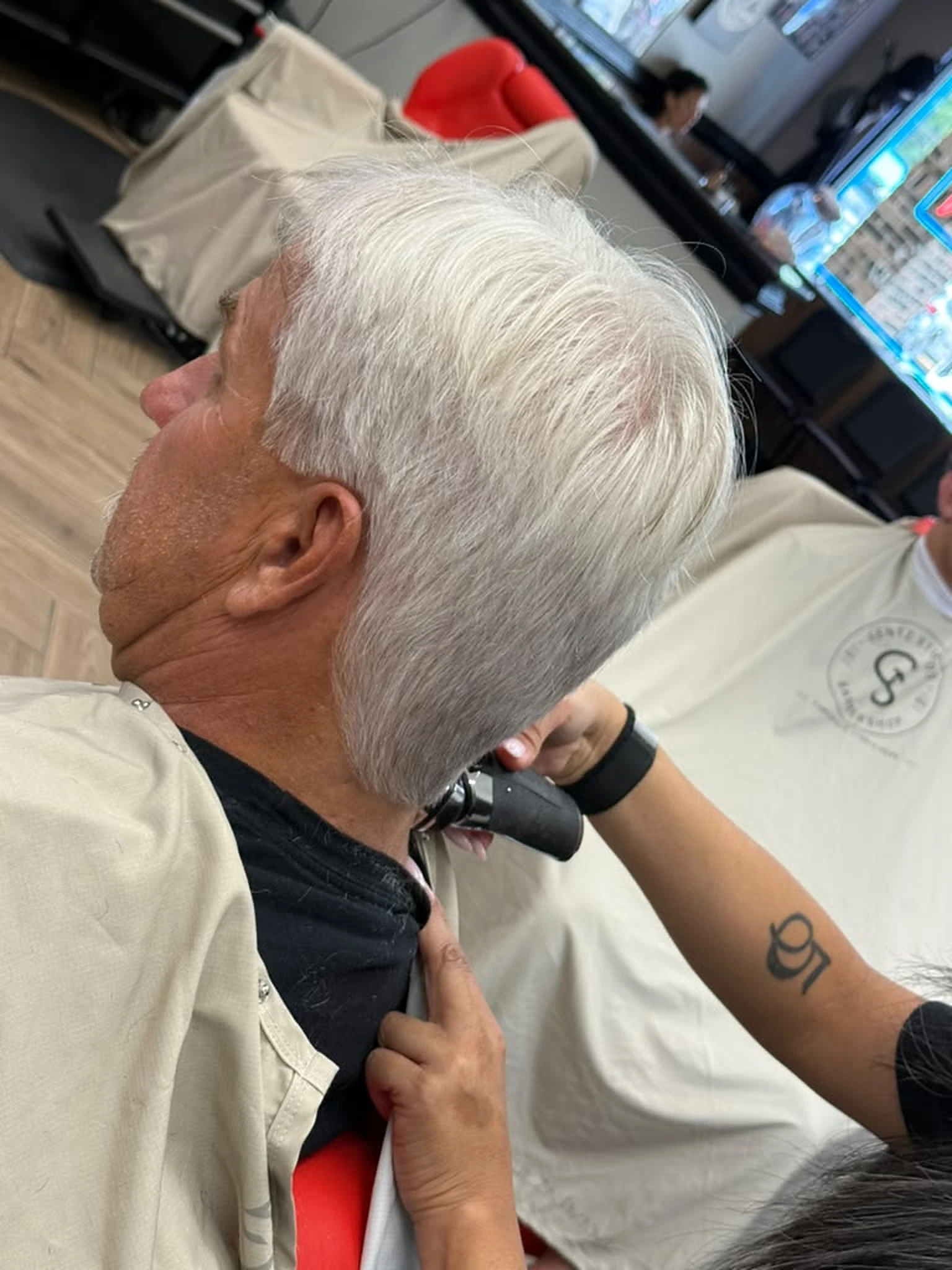
Growth patterns deserve attention
Cowlicks, crowns and changing directions around the hairline affect how short a section can go. Point these areas out during the consultation, especially if a previous cut stood up or separated in a way you did not like.
Build the cut around your routine
Tell your barber how much time you spend styling, what products you use and whether you usually air-dry or blow-dry. A cut that fits your real routine is easier to recreate and tends to grow out more predictably.
Your barber can adapt these general tips to your hair, beard and maintenance routine during a consultation.