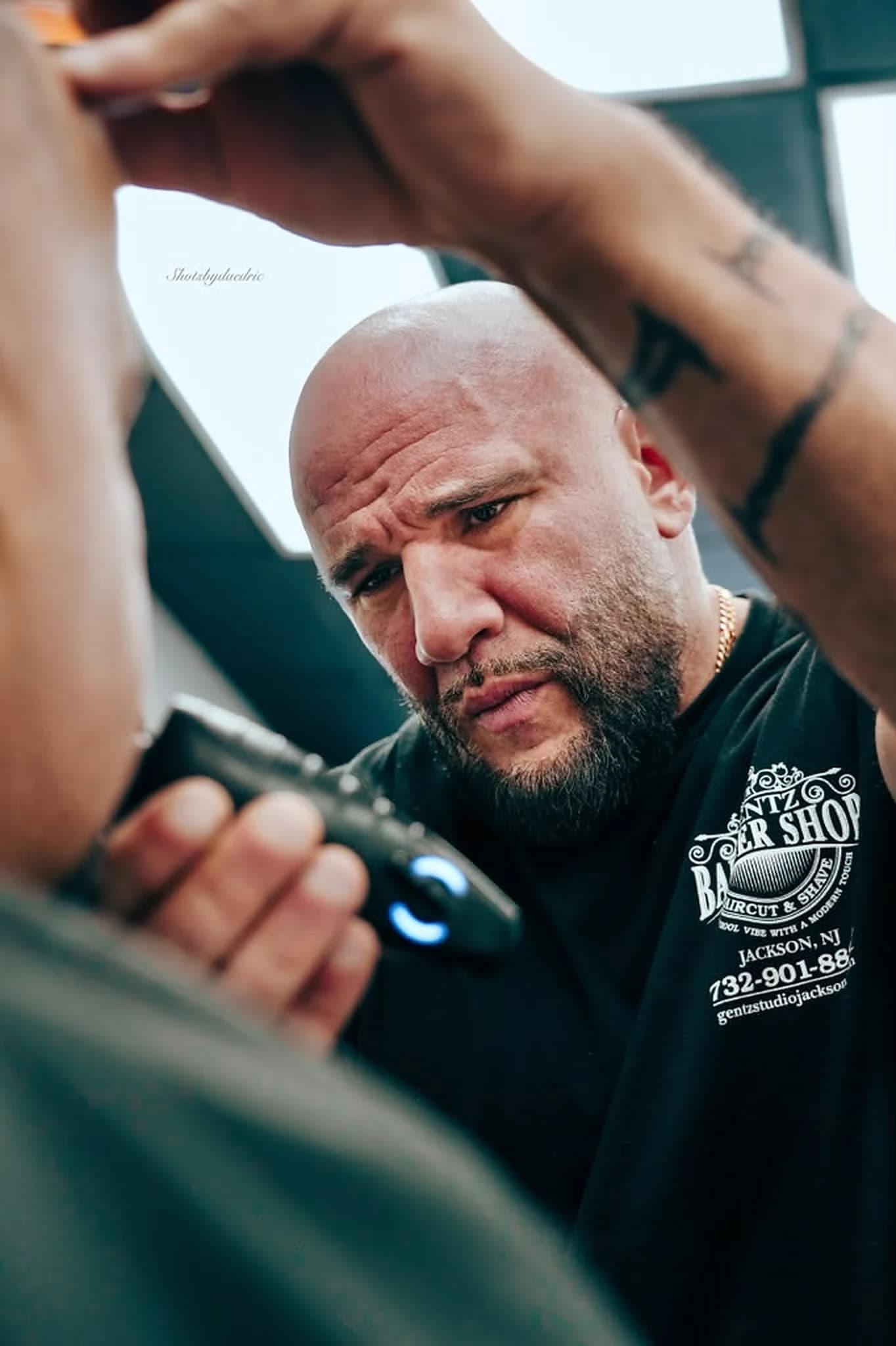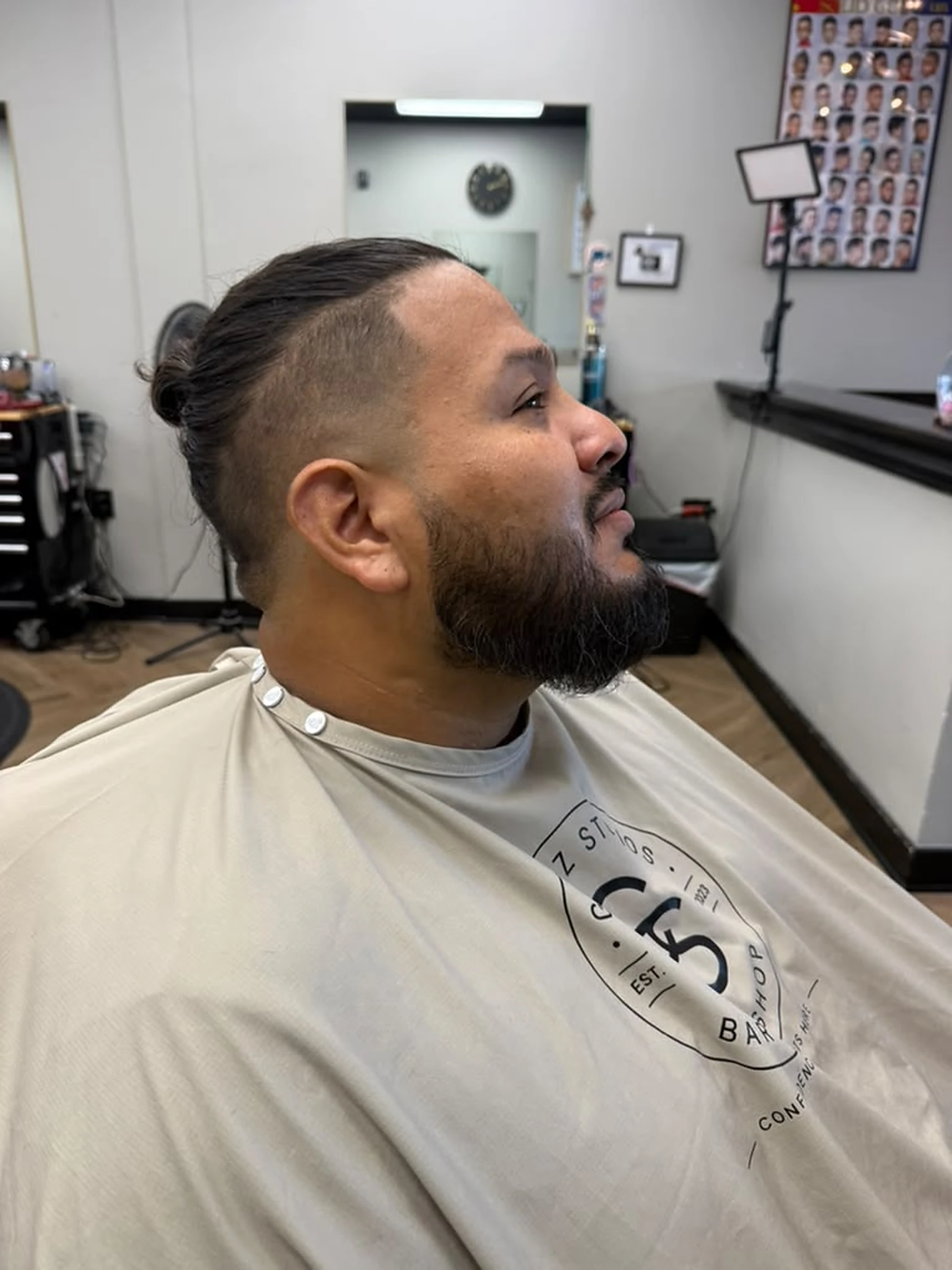
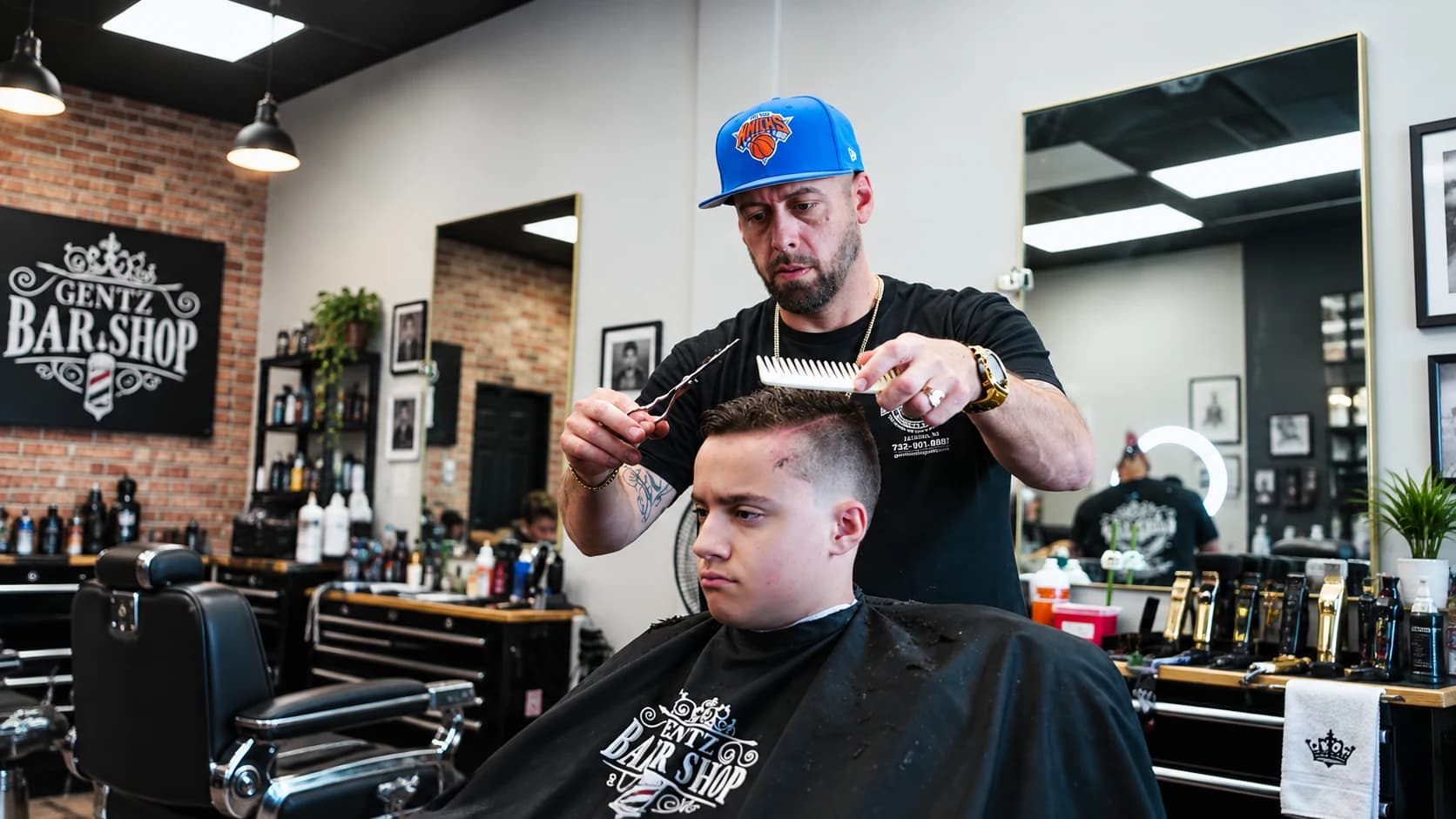
Use photos, length, maintenance and specific preferences to make the consultation clear and useful.
Bring references with a purpose
Save two or three photos that show different angles of the same general haircut. Choose examples with hair texture and density reasonably close to yours. Instead of saying you want the exact person’s haircut, point to specific details: the fade height, fringe, side length, top shape or beard transition.
A reference image communicates visual information quickly, but it is still a starting point. Lighting, styling and head shape can make the same cut look different.
Describe length in practical terms
Words such as short, clean or just a trim mean different things to different people. Explain where you want the hair to sit: above the ear, touching the eyebrow, long enough to comb back or short enough to air-dry. If you know a clipper guard you liked, mention it, but do not worry if you do not.
You can also show how much length you are comfortable removing with your fingers. The barber can translate that into the right technique.
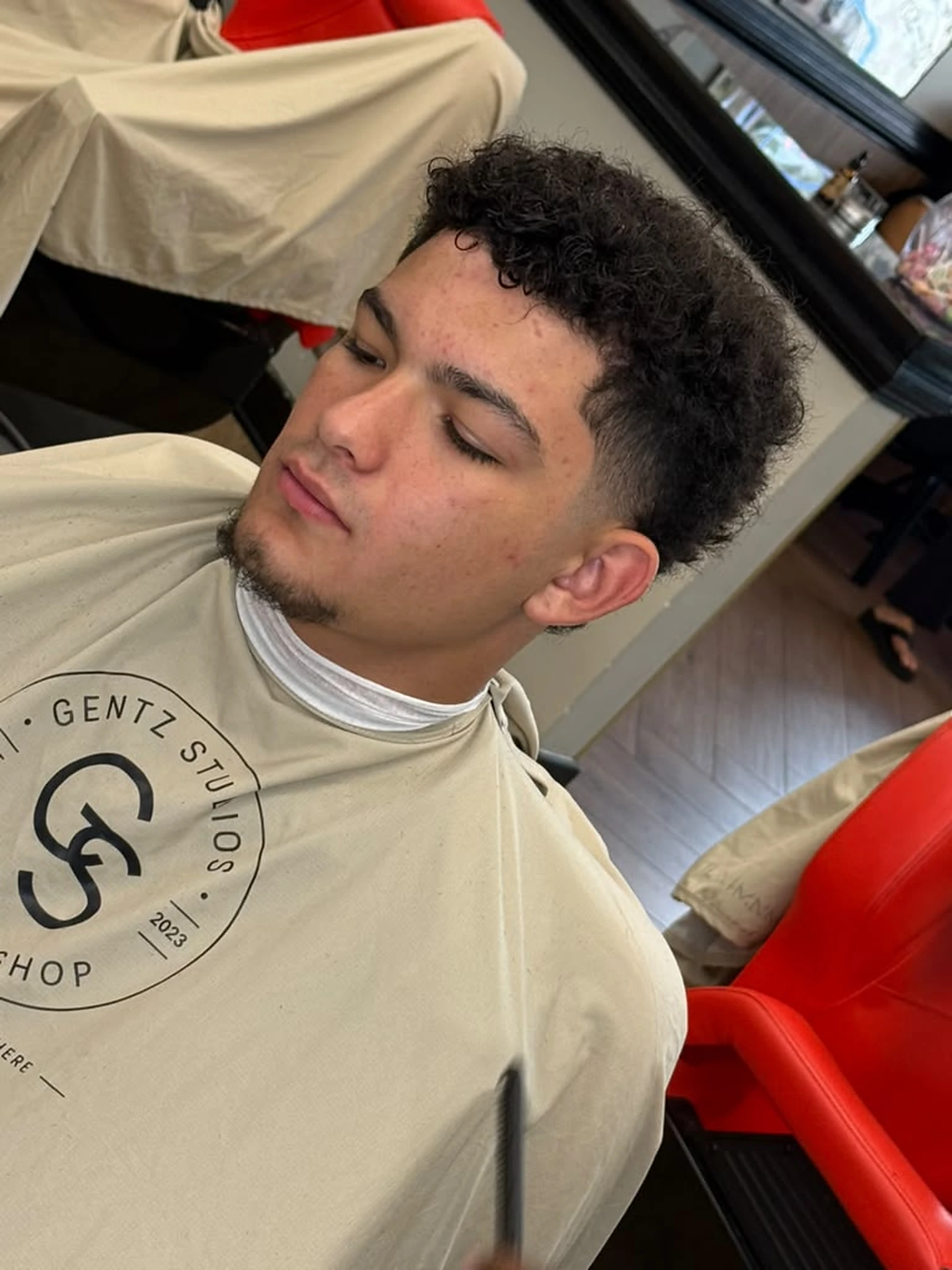
Explain what did not work before
A previous problem can be as useful as a reference. Mention if the fade felt too high, the crown stood up, the fringe became too thin or the neckline looked unnatural as it grew. Be specific about the area and when the issue appeared.
This information helps the barber protect difficult growth patterns and avoid repeating a shape that did not fit your routine.
Be honest about maintenance
Tell the barber how often you expect to return and how much time you spend styling each morning. Mention whether you use product, wear a hat or helmet, work in humidity or need a conservative finish. A highly detailed cut may look excellent on day one but become frustrating if its upkeep does not match your schedule.
A strong consultation balances the desired image with what you can realistically maintain.
Confirm the plan before cutting
Before the service begins, repeat the key decisions: how short the sides will go, where the transition starts, how much comes off the top and what happens to the hairline, sideburns and beard. Ask questions when a term is unfamiliar.
You do not need professional vocabulary. Clear preferences, useful photos and an honest routine give the barber enough information to recommend a result that suits you.
Your barber can adapt these general tips to your hair, beard and maintenance routine during a consultation.