Understand how silhouette, texture, styling and maintenance separate classic cuts from modern variations.
What makes a haircut classic
Classic cuts rely on balanced proportions, controlled sides and shapes that remain recognizable across decades. Think of a side part, crew cut, traditional taper or neatly layered scissor cut. The appeal is not that every classic cut looks the same; it is that the structure works in professional, casual and formal settings.
These cuts often preserve enough length to comb, part or reshape. Their softer contrast can also make the grow-out feel less abrupt.
What makes a haircut modern
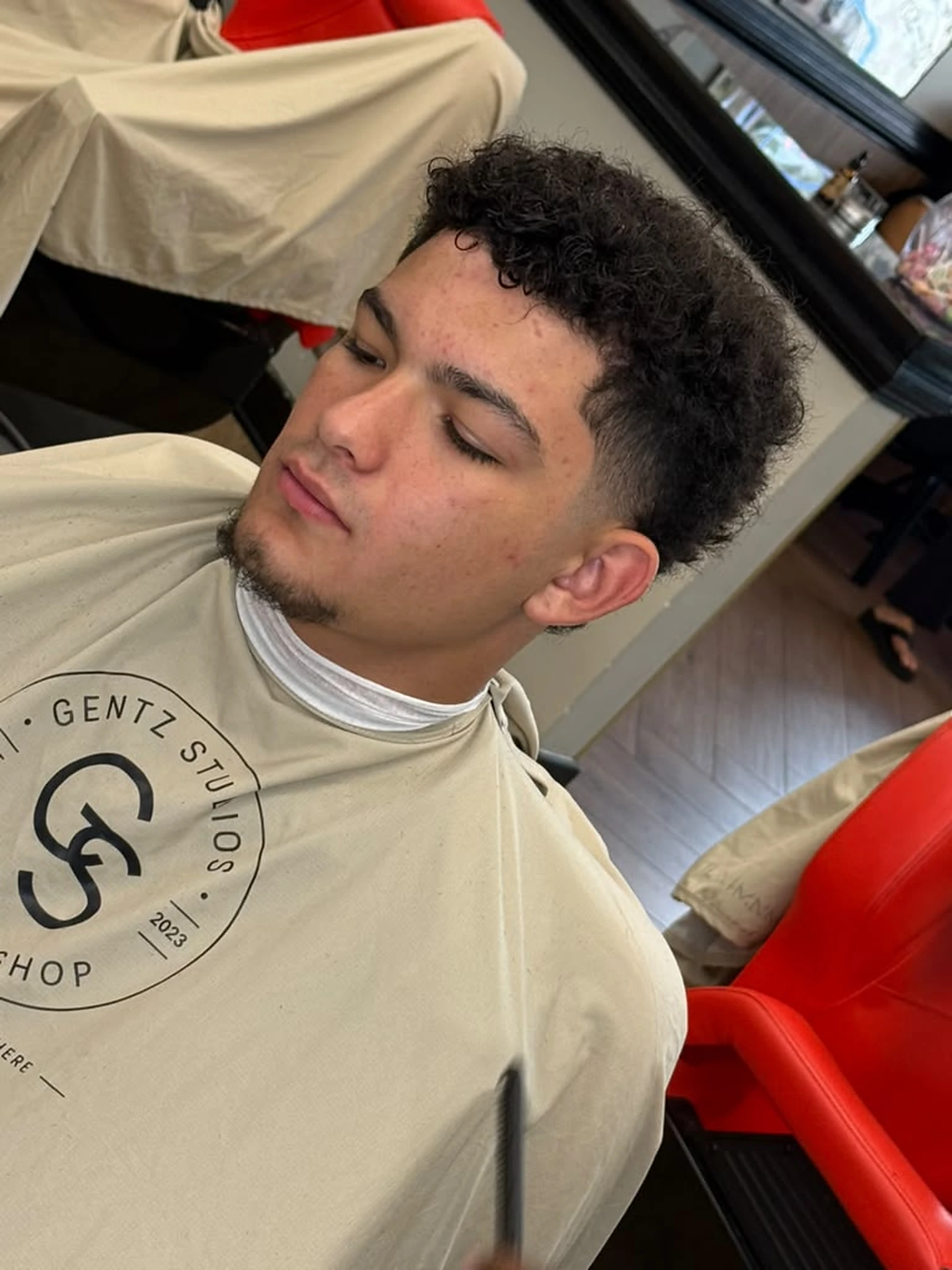
Modern cuts tend to use stronger contrast, exposed texture or a more deliberate separation between the top and sides. Skin fades, textured crops, burst fades and longer tops with tight sides are common examples. Modern does not have to mean extreme. A small change in texture, fringe or fade height can update a familiar silhouette.
The most successful version still accounts for your density, growth direction and the way you actually style your hair.
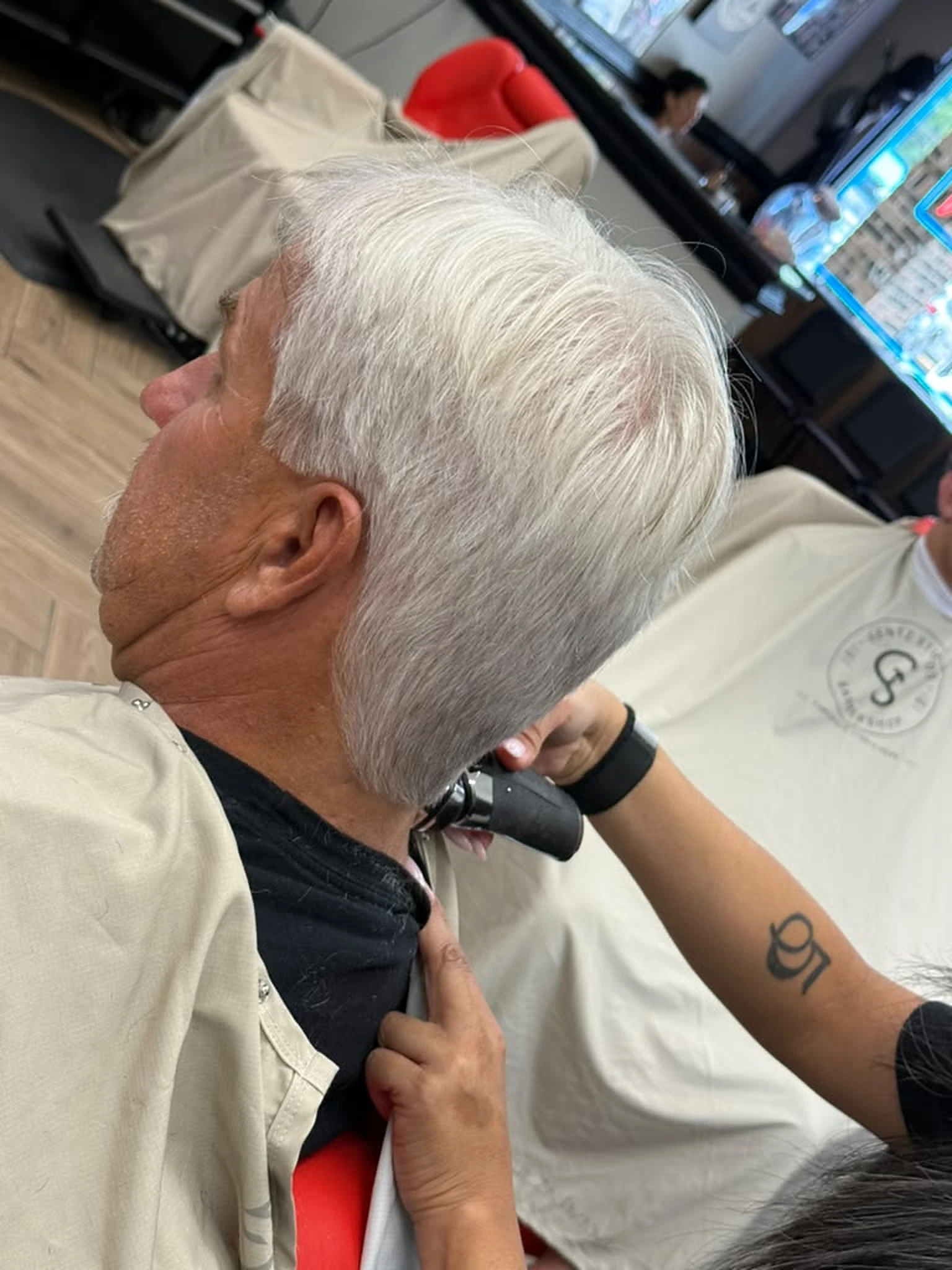
Match the cut to your daily setting
Consider where you spend most of your week. A client who wears a helmet, works outdoors or needs a conservative office finish may prioritize differently from someone who enjoys daily styling. School rules, uniform requirements and formal events can also affect the practical choice.
A versatile haircut can combine a classic outline with a modern taper or textured top. You do not have to choose one category completely.
Styling time and product
A classic side part may need a comb and a product with controlled hold. A textured modern cut can require matte product, blow-drying or intentional movement with the fingers. Ask the barber to demonstrate the amount of product and the direction of styling before you leave.
If you prefer a wash-and-go routine, say that clearly. The haircut should carry most of the shape instead of depending on a routine you will not repeat.
Build a personal version
Use reference photos to identify individual details: the side length, neckline, amount of texture, top shape and finish. Your barber can then combine the useful elements while avoiding features that fight your hair type or maintenance schedule.
The best choice is not the most fashionable label. It is the cut that feels appropriate, grows predictably and still looks like your style after the first day.
Your barber can adapt these general tips to your hair, beard and maintenance routine during a consultation.